What we built.
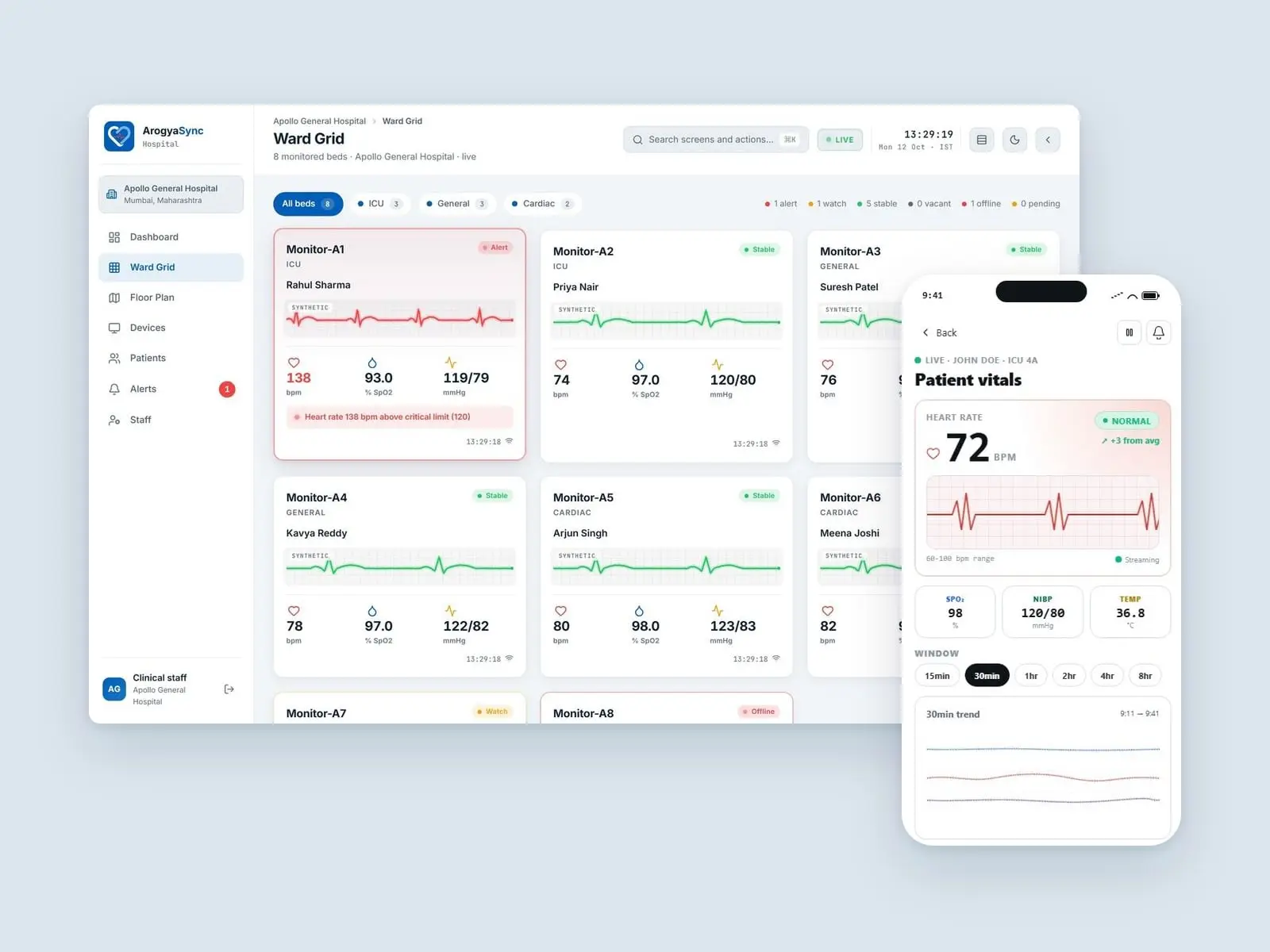
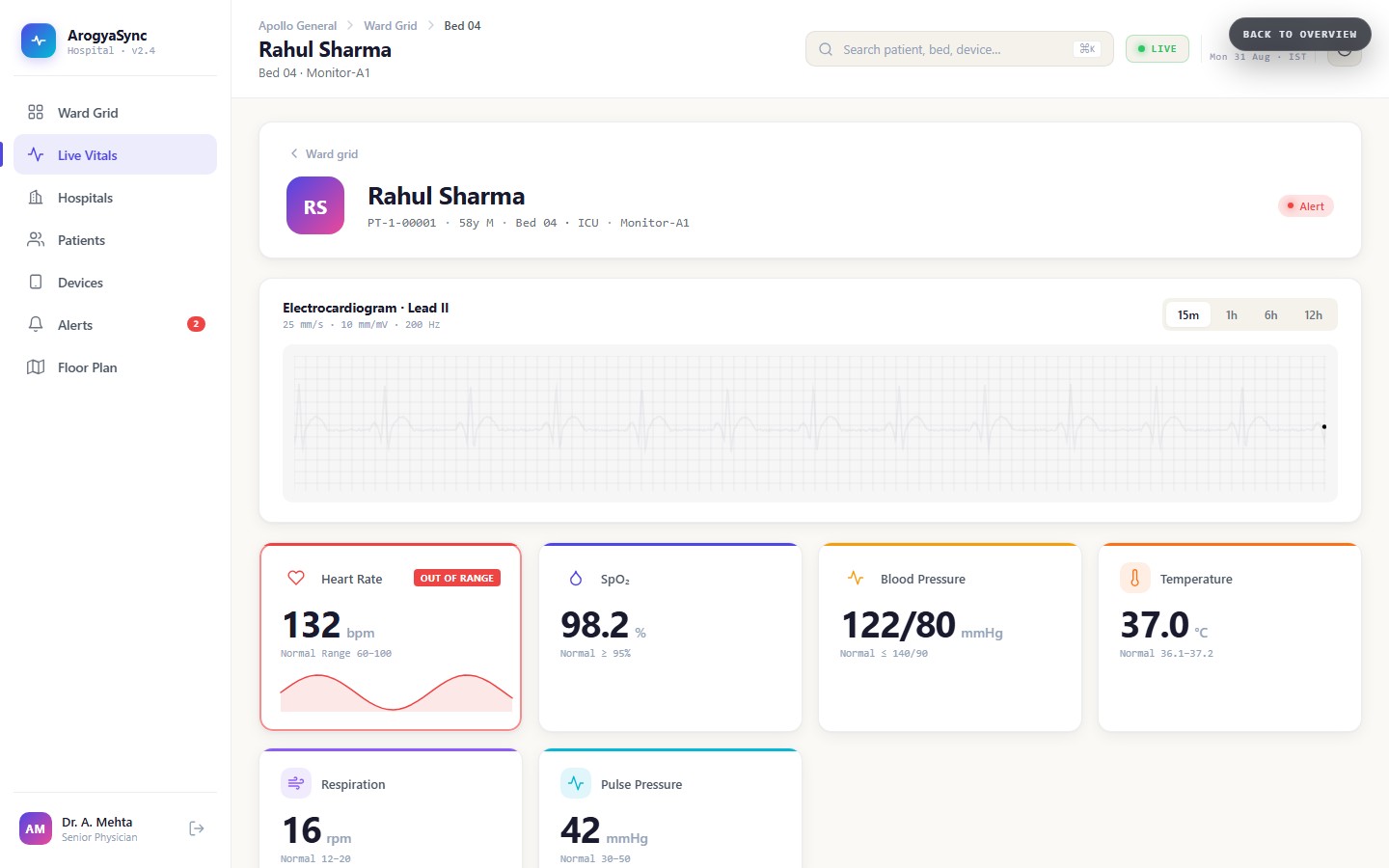
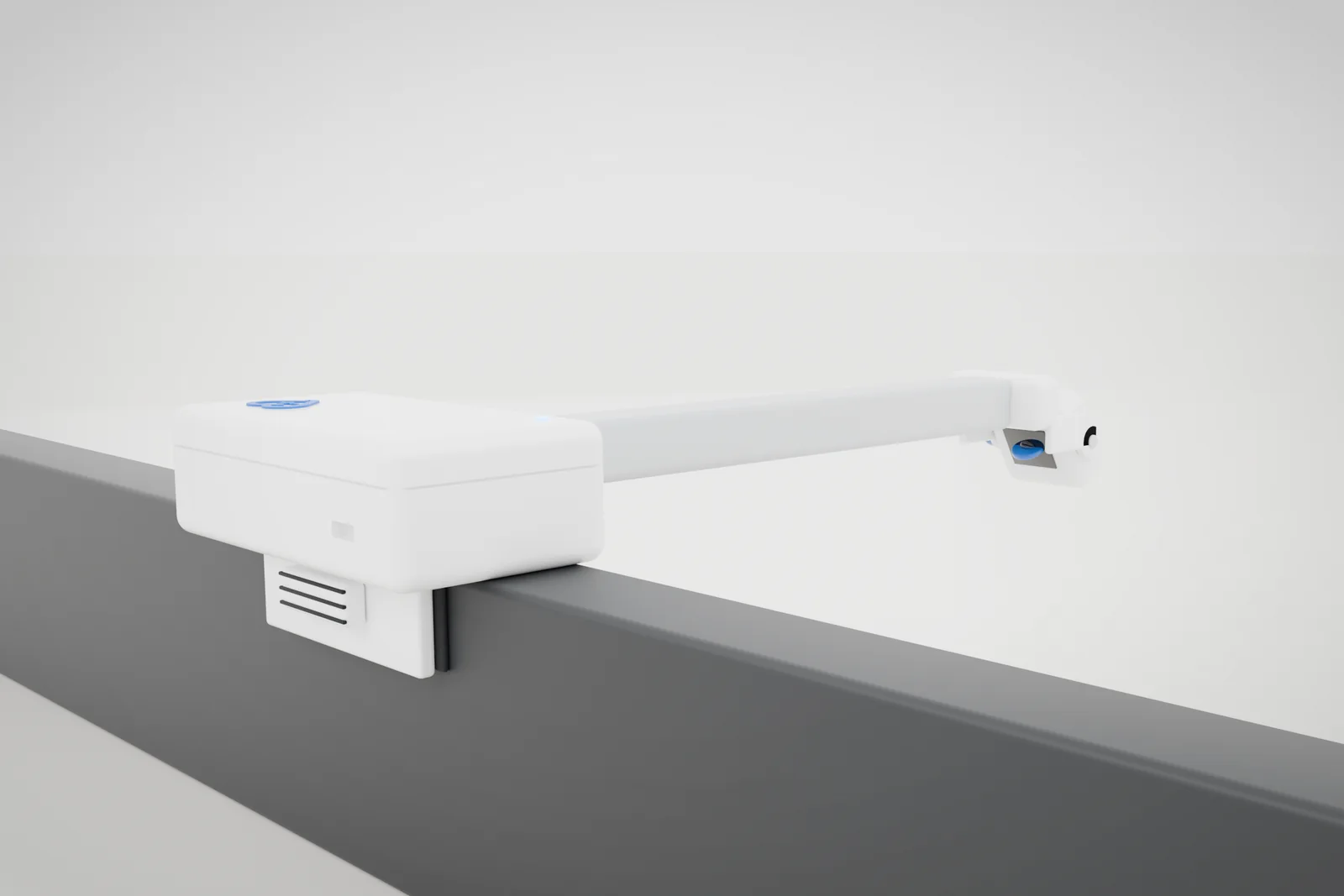
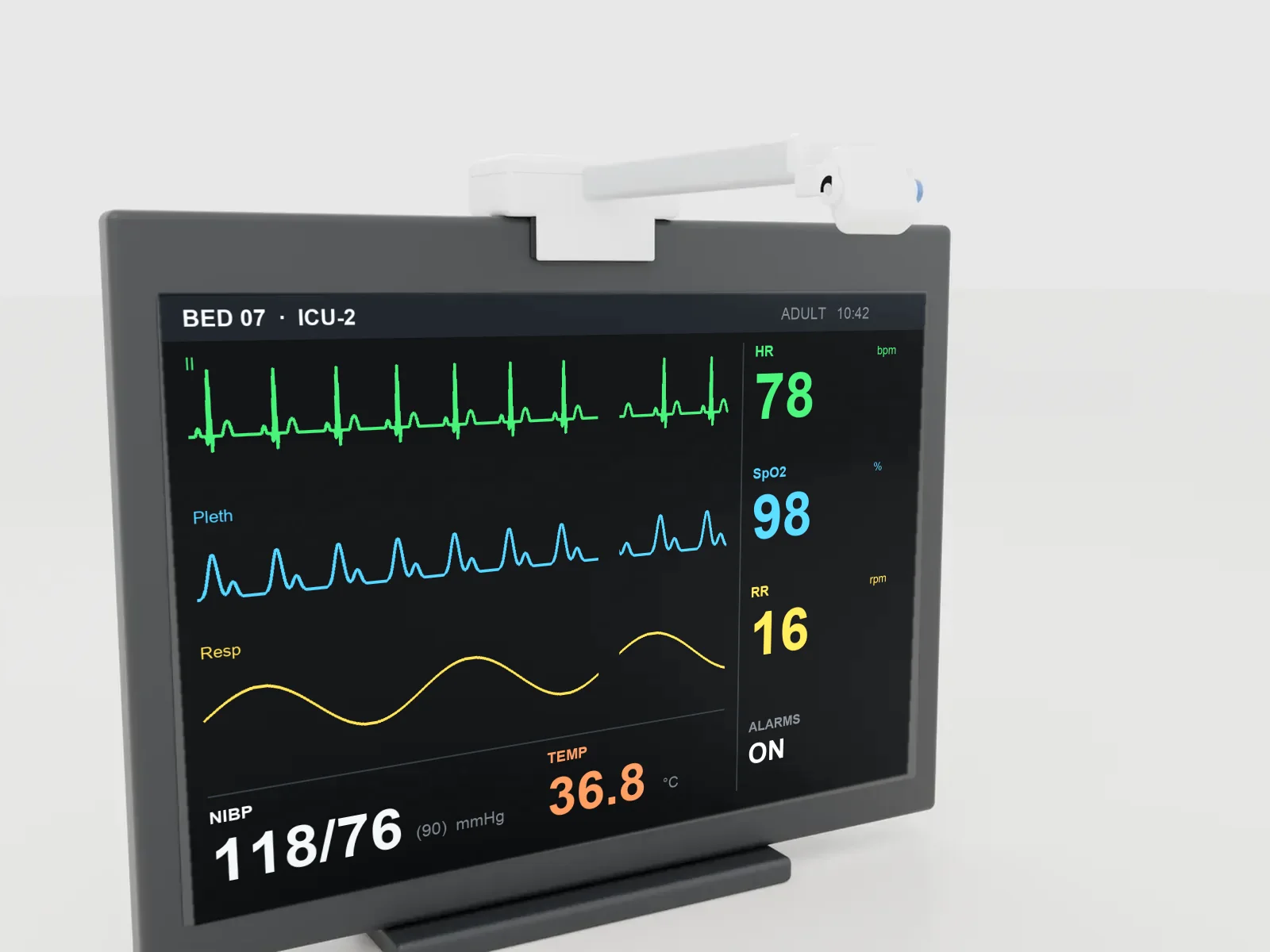
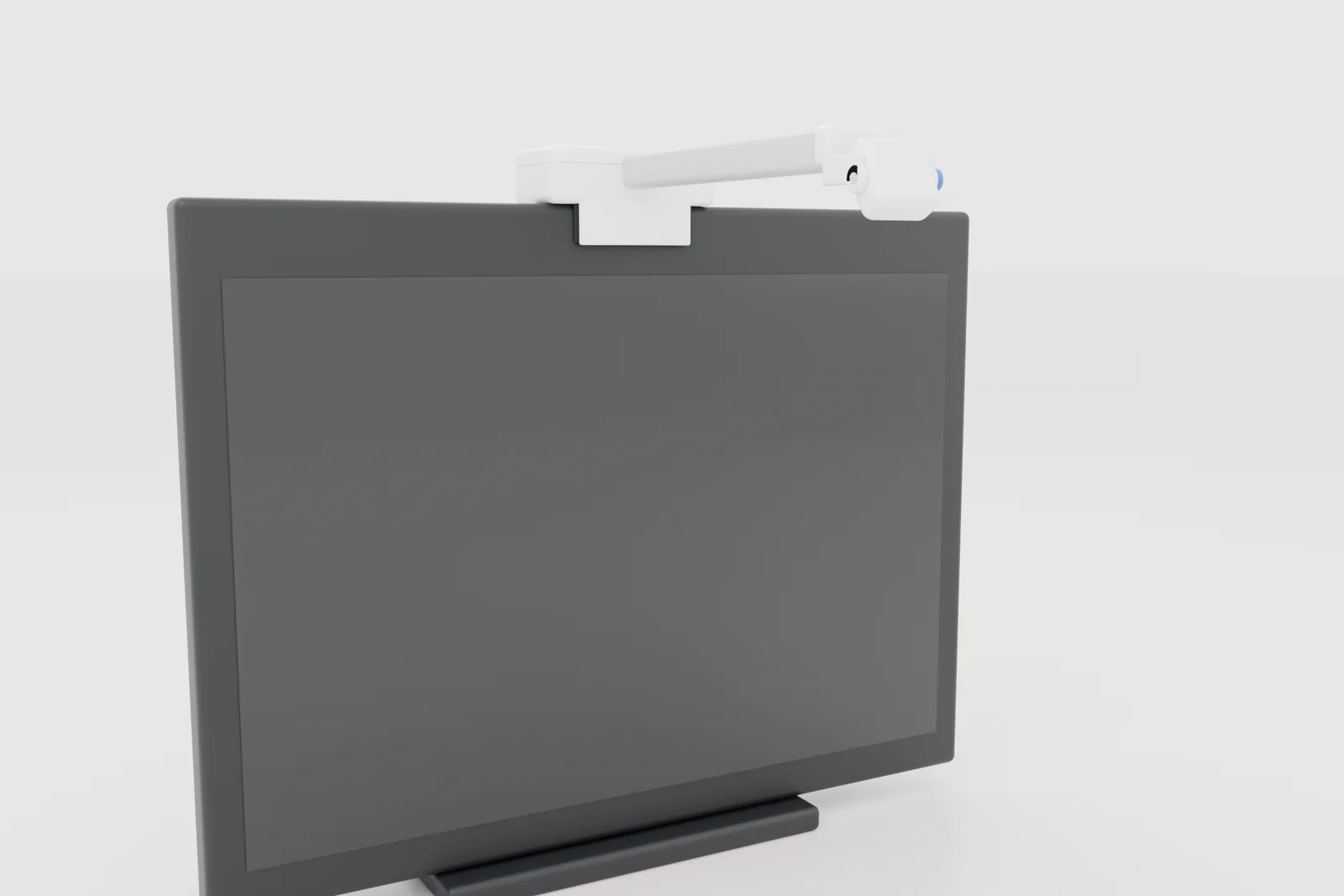
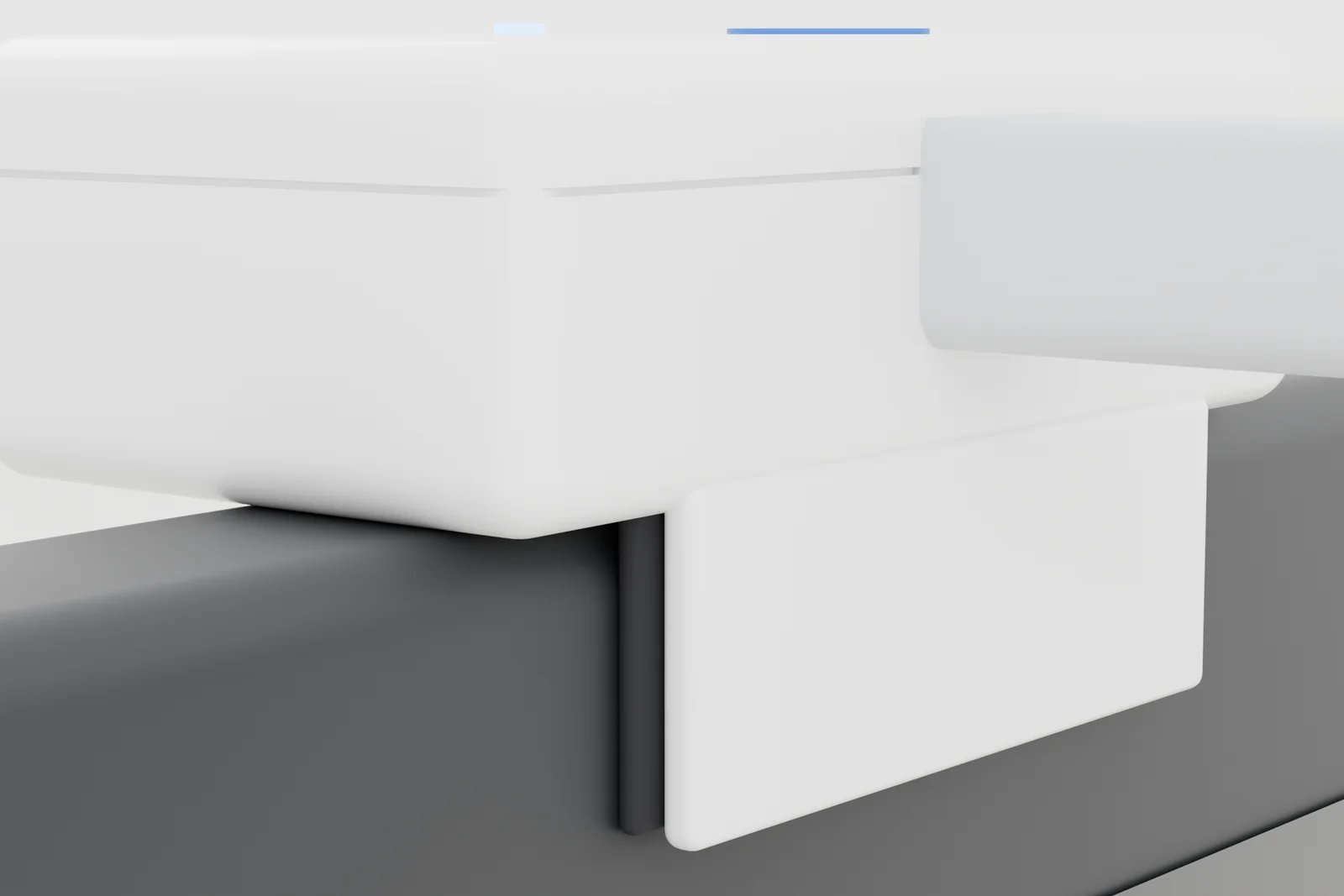
ArogyaSync activates the monitors hospitals already own. The system uses an edge capture device to read bedside displays, normalize vital-sign data, stream it securely and give care teams bed-level visibility while keeping the native monitor and alarm system in place.
The problem
Hospitals already own bedside monitors, but many of those monitors stay disconnected from EMRs, dashboards and audit trails.
Who it is for
- Hospital ICU / ward teams
- Hospital operations
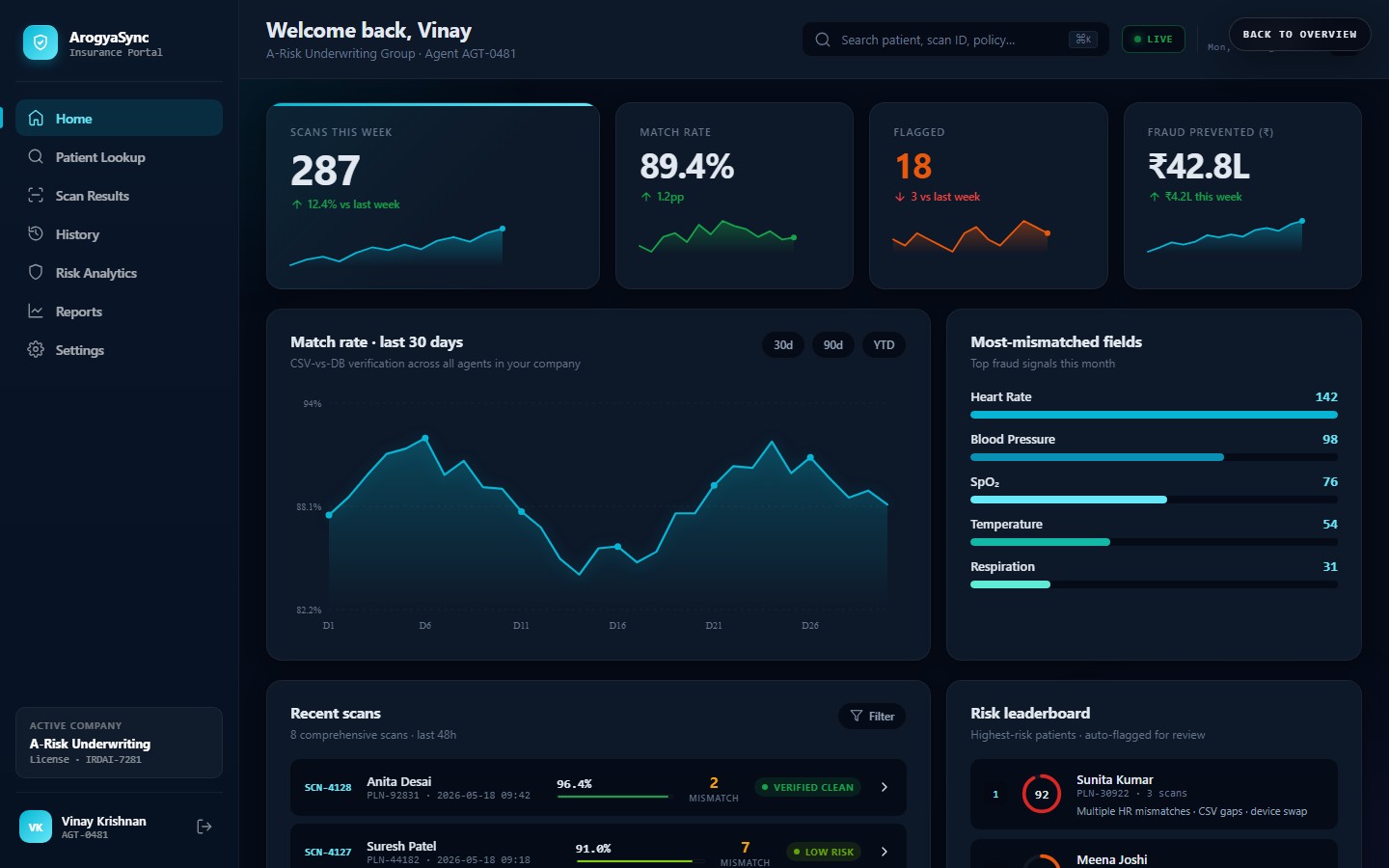
- Insurance and audit teams
Where it stands.
A retrofit edge layer that reads existing monitor displays, structures vitals and routes them into clinical workflows without replacing the monitor.
- Capture approach
- Edge vision
- Reads digits from existing bedside displays. No independently interpretable capture-rate result is published here.
- Monitor layouts in brief
- 3
- GE, Siemens and Philips layouts are referenced in the product brief; this is scope, not a certified compatibility result.
- Rollout unit
- 20–30 beds
- Evaluation pilot size before paid hospital rollout.
What we did.
- Bedside monitor display capture
- Structured vital-sign records
- Ward dashboards
- Care-team mobile workflows
- Marketing website
Selected product views
A closer look at ArogyaSync
Curated stills from the product. Interactive access is shared only in guided demos.
Mobile app
02 viewsWebsite
01 viewsWebsite
The live site.

Embedded preview loads on the live site — use "Open live"
Brand identity
Logo, colour, type and voice.
The mark
Two strokes that read as A and S close into a heart, and a pulse line runs across it. The name, the patient and the live reading sit in one symbol, which says what the product does: it keeps a heartbeat in sync with the care team.
The mark was traced from the founding team's concept art; we drew it as vectors and built the lockups, palette and type around it.
Colour
Clinical Blue
#005EB8
Brand colour, actions, “Sync”
One blue runs across the app, every dashboard and the site, so a nurse sees the same product everywhere. Blue is also the expected colour of clinical equipment.
Ink
#0B1626
Headings and text
A deep navy-black that stays readable on ward screens and pairs with the blue without fighting it.
Sky
#72B4E2
Brand on dark grounds
A lighter blue keeps the mark and links legible on the dark dashboard chrome.
Paper
#F6F8FB
Alternate sections
A barely blue grey separates sections without adding colour that could be mistaken for a status.
Pulse Red
#E0453B
The pulse line only
Red is reserved for the logo's pulse, because monitor alarm conventions give red, yellow and cyan to alarm priorities.
Type
DM Sans
Display
A compact geometric sans with soft corners: technical, but not cold.
Specimen shown in a system sans stand-in.
Inter
Body
Built for screens and clear at small sizes on phones and ward displays.
Specimen shown in a system sans stand-in.
JetBrains Mono
Readings and labels
Monospaced figures keep heart rates and SpO₂ values aligned and easy to scan.
Specimen shown in a system mono stand-in.
Voice
Plain, concrete and ward-practical, written in the words nurses and doctors use, and clear about limits.
- Plain
- Ward-practical
- Reassuring
- Precise
Do
- Name the monitors, beds and wards
- Say what stays unchanged
- Offer a compatibility check before a promise
Don’t
- Claim clinical accuracy that is not validated
- Say it replaces the monitor or its alarms
- Use alarm colours or alarm language for marketing
In its own words
Every patient's vitals, live, wherever you are on the ward.
Four steps, no new monitors.
Keeps readings when the network drops.
Motion graphics
Motion & animation.
3D & mechanical design
The hardware, in 3D.
Evidence and limitations
Capture-rate evidence
No public validation report with a dated sample, denominator, error treatment, observation protocol and responsible reviewer is provided here. We therefore do not publish a capture-rate percentage. Reading digits from a display is distinct from clinical accuracy, device safety and clinical validation.
Evidence
Pilot, still running: 10 beds across 2 hospital and clinic sites, on Philips and GE bedside monitors. Capture has also been tested on Mindray and Niscomed monitors. A camera reads the monitor screen, so it does not depend on a vendor protocol; other brands, such as Nihon Kohden and Dräger, have not been tested yet. Reading accuracy has not yet been independently validated.
Data and security
Hosted on Google Cloud in Mumbai with a PostgreSQL database; the bedside device keeps readings in an encrypted local store until they sync. Personal fields are encrypted with AES-256-GCM, sign-in uses multi-factor authentication with role-based access, and access is written to an audit log. Consent is recorded, and a patient's data can be exported or deleted on request.
Building something like ArogyaSync?
The same team designs, engineers and ships every part of a product, from the website to the systems behind it.